


PVCC President Selected for Aspen Fellowship
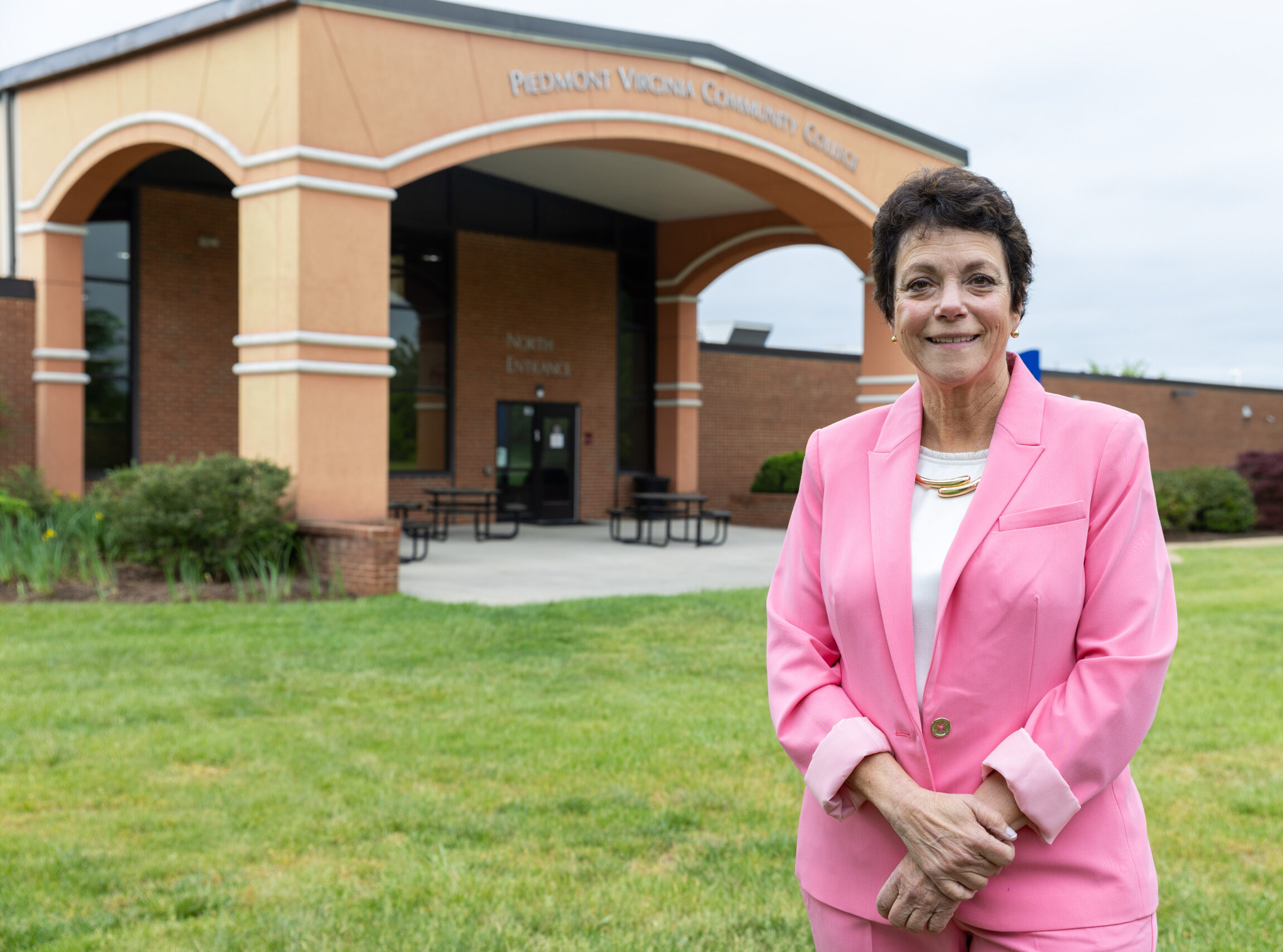
Dr. Jean Runyon, president of PVCC, has been named one of 23 community college leaders nationwide selected for the prestigious Aspen Presidents Fellowship. The program is designed to equip college leaders with strategies to improve student outcomes, strengthen workforce alignment, and expand social mobility.
Supported by JPMorgan Chase, the year-long fellowship includes residential sessions, virtual learning, and peer collaboration. Participants analyze regional labor market data, develop reform agendas tailored to their institutions, and engage with national models of community college excellence.
Runyon said her selection reflects both personal commitment and institutional priorities at PVCC. Her interest in the fellowship grew from her earlier experience in the Aspen Rising Presidents Fellowship, which she completed before being appointed president.
“I wanted to explore what it takes to be a transformational leader and how to best serve our students, faculty and staff,” Runyon said. “This fellowship allows me to learn from other leaders, bring new ideas back to PVCC, and make a broader impact.”
At the core of PVCC’s mission is a focus on access, success, and long-term outcomes for students. Runyon emphasized that the college has evolved beyond simply providing educational access to ensuring students complete their programs and secure meaningful employment or continue their education. “Our college’s goal is to help students transfer, find high-demand jobs and build sustainable careers,” she said. “Eighty percent of our graduates stay and work in Central Virginia, which means supporting their success benefits our entire community.”
Runyon said the college plans to use the experience to strengthen workforce development programs, expand experiential learning opportunities, and enhance transfer pathways. PVCC maintains strong partnerships with four-year institutions, including University of Virginia and Virginia Tech, helping students transition seamlessly to bachelor’s degree programs.
PVCC currently ranks second among Virginia’s community colleges in student transfers, a distinction Runyon attributes to clear academic pathways and personalized advising. “Providing clear routes and personalized advising helps students achieve their goals,” she said. “We want more of our students to earn bachelor’s degrees and succeed in their careers.”
Data plays a central role in how PVCC evaluates and improves student success. The college has developed dashboards and reporting systems to track metrics such as retention, completion, and post-graduation outcomes. Runyon said the Aspen fellowship will provide access to more detailed regional data, allowing the college to identify gaps and opportunities more precisely. “We’re committed to using data-driven strategies to enhance student success,” she said.
In addition to academic and workforce initiatives, PVCC has prioritized addressing barriers that can prevent students from persisting in their studies. The college has implemented wraparound support services, including needs assessments, partnerships with local organizations, and expanded scholarship and affordability initiatives. “Our goal is to remove barriers so all students can succeed,” Runyon said.
Faculty development is another key component of PVCC’s approach. Through the Frank Friedman Center for Excellence in Teaching and Learning, the college promotes instructional innovation and continuous improvement, efforts that Runyon said are essential to student engagement and retention.
Looking ahead, Runyon said the Aspen Presidents Fellowship will help guide PVCC’s long-term growth and strengthen its role in the region. “I want PVCC to be a leader in student success and community impact,” she said. “This investment helps us build a stronger, more resilient institution.”
Runyon also emphasized that leadership at PVCC extends beyond administration, encouraging faculty, staff, and students to see themselves as contributors to institutional and community progress. “Leadership is happening every day, in every role,” she said. “Everyone has a part to play in transforming higher education and our communities.”