


How Trump’s Climate Policies Affect Local Government
President Donald Trump referred to climate change as “the greatest con job ever” at the United Nations General Assembly on Tuesday, Sept. 23, 2025. His administration has consistently resisted climate action. The most recent example of this policy is the revoking of a 2009 endangerment finding that pollution is harmful, as described in a BBC article. Despite this blow to environmental policy, Charlottesville’s Office of Sustainability remains committed to fighting global warming.
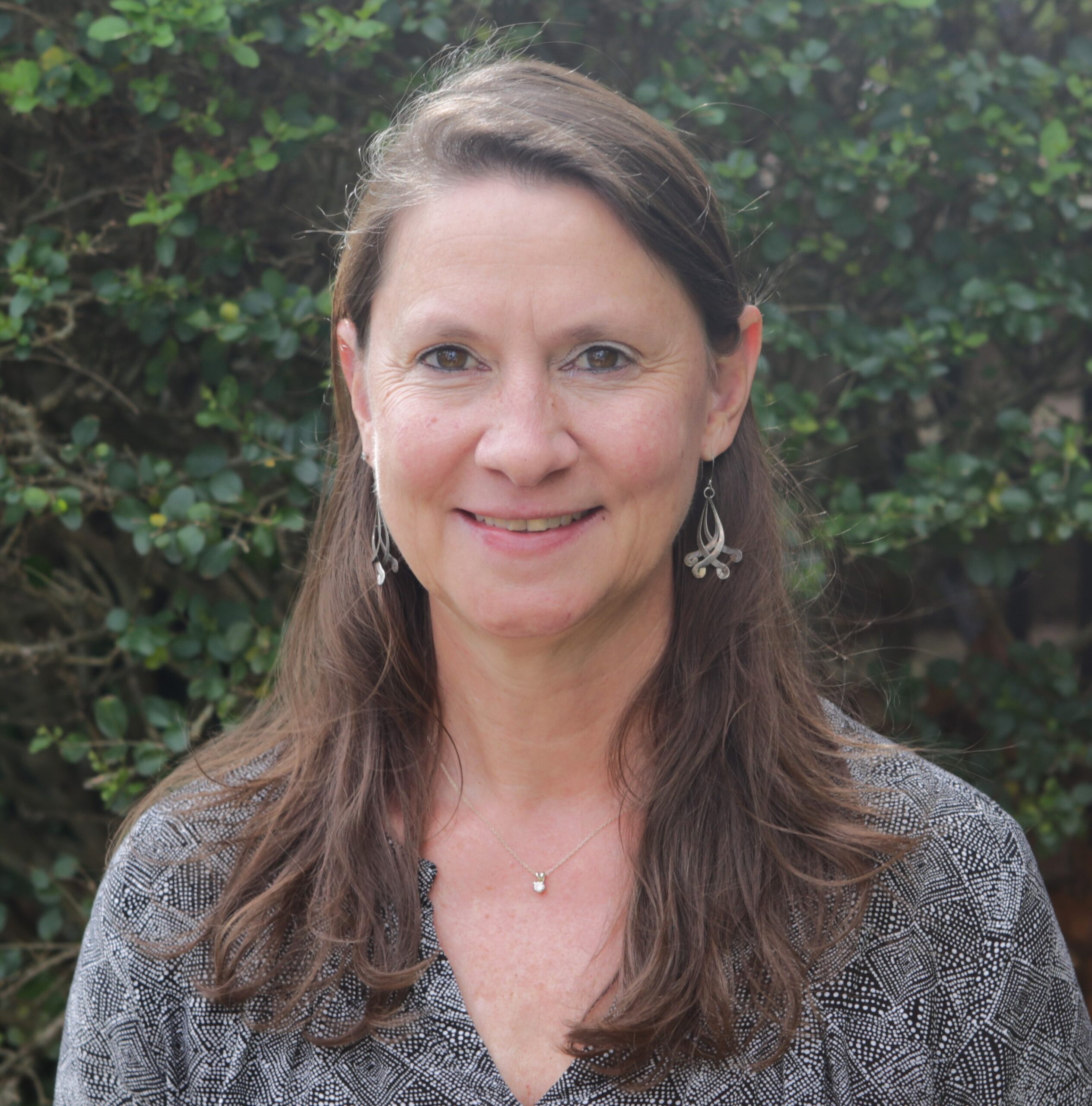
Kristel Riddervold is the director of the Office of Sustainability, which is “a resource and advocate for strategies and actions that contribute to a healthy environment and a resilient Charlottesville,” as stated on the Office of Sustainability’s website. Riddervold said that the office’s work includes community education, outreach, and engagement on sustainability topics; as well as more technical projects, such as public transportation technologies; and local, state, and national level policy involvement.
In 2023, Charlottesville adopted a Climate Action Plan to achieve the goals of 45% emissions reduction by 2030 and carbon neutrality by 2050. Climate Program Manager Emily Irvine is responsible for monitoring and guiding the implementation of this plan. She said that “As of 2022, we had reduced our community-wide emissions by 40% from our 2011 baseline,” adding that Charlottesville is moving in the right direction, but progress will be increasingly difficult.

Riddervold and Irvine explained that changes in federal environmental policy impact local sustainability efforts. The Office of Sustainability has lost several federal grants for projects on electric school buses, climate resilience, urban foresting, and more. The federal government has rescinded incentives for home energy improvement and e-vehicles, which will result in a loss of investments for many Virginians. Irvine said 95% of Charlottesville’s emissions are from the community, so the Office of Sustainability “supports our residents and community members in taking action.” However, when the federal government rescinds environmental funding, “it makes some of the effort to encourage or motivate people to make different choices hard,” said Riddervold.
Riddervold said that the recent federal policy changes will have ripple effects in the local community, and the country at large. For example, as local governments lose the funding to purchase electric vehicles, auto manufacturers will produce less given the lower demand. Another example is the increased energy burden, or the percentage of income a household spends on energy costs, which is often higher for lower income households.
Despite these barriers, the Office of Sustainability remains committed to its work. Irvine said that “we are a community who cares about climate action. We care about environmental protection, we care about clean air and water, and our leadership knows that, and our citizens are still expecting that from us, and so the onus is on the local government to continue to deliver on those things that our community really cares about.” She said she has hope and confidence that climate action and sustainability work will continue despite the current administration’s policies. Riddervold said that the local government has an opportunity and a responsibility to continue improving sustainability regardless of the events in D.C.
Local governments are not the only ones capable of sustainability work. Riddervold and Irvine said that young people can make a difference in their community as well. Riddervold said that talking about climate change is climate action and encouraged community members to normalize discussions centered around sustainability and the environment. Irvine said that the number one thing that can be done to fight climate change is to vote for candidates who support climate action. She also said advocacy and involvement with local and state level politics, reducing consumption, and encouraging families and friends to consider their environmental footprints are easy ways for young people to take climate action.