A Story of Elevating Others
Some filmmakers chase spectacle while others dedicate themselves to chasing truths. Chris Farina had chosen the latter. For decades, he has used his camera to unveil the impacts people have on everyday lives, including accounts from teachers, students, neighbors, and people rebuilding themselves from the ground up. Even as ALS (Amyotrophic Lateral Sclerosis) has introduced new challenges, his belief in the power of human connection has persevered.
Farina graduated from the University of Virginia in 1982 with a Bachelor of Arts, but after his first year of college, he took a break and began hitchhiking around the country, where he learned to listen to the stories of the people he met along the way. Hitchhiking took Farina from places like New Orleans to California. He stayed for a short period after being roped in to work as a ranch hand on a commune affiliated with the Unification Church, founded by Sun Myung Moon. After about a month of working there, Farina left and shortly began taking classes again at UVA.
That wasn’t the last time Farina left his life of academia. He later went on another hitchhiking journey, this time through Europe. This trip took him through Morocco, Berlin, and eventually Sicily, where his grandmother originated from before immigrating to Baltimore, where Farina had the idea for his first film.
The idea was spontaneous, as when visiting family in Baltimore, Farina saw a group of guys and decided it would make a great movie. The film Route 40 follows a day in the life of people in East Baltimore, focusing on individuals such as a paramedic, a gas station owner, and diner workers, showcasing the lives of those often overlooked by passing drivers.
That sentiment continued into Farina’s film company Rosalia Films, which focused its message on shedding light on unseen contributions. This idea culminated in the Rosalia Films’ production of World Peace and Other Fourth-Grade Achievements, which focuses on a Charlottesville teacher, John Hunter. Hunter is an African-American who was educated during segregation, and the film focuses on a game Hunter would set up for his students with the goal of “world peace,” which was aimed at teaching the kids to collaborate, communicate, and compromise with each other to solve aspects of the game. The game ultimately served to teach the children that peace is an attainable goal that people can work towards as a community. The film garnered massive praise and was even talked about during the National TED Conference, and the game was eventually applied in 43 countries around the world.
Another work to come out of Rosalia Films was A Bridge to Life, which focuses on the story of William Washington, founder and executive director of the Bridge Ministry in Charlottesville. Washington faced some difficulties during his early life, and today he dedicates his life to helping others overcome their own personal issues and addictions. The administrators of the program found that the more time they spent with patients building a relationship, the better the patients were able to deal with the issues related to their addictions, changing their lives for the better. When asked how he chooses to produce films about certain individuals, he says that “I would take time to sit with them and get to know them.”
But the biggest determinant for filming was if Farina felt inspired by their story. When asked what he hopes people remember about his film career and about his impact, he said,“It’s more about the subjects of the films, it’s not about me…I feel lucky to make a film about good people.”
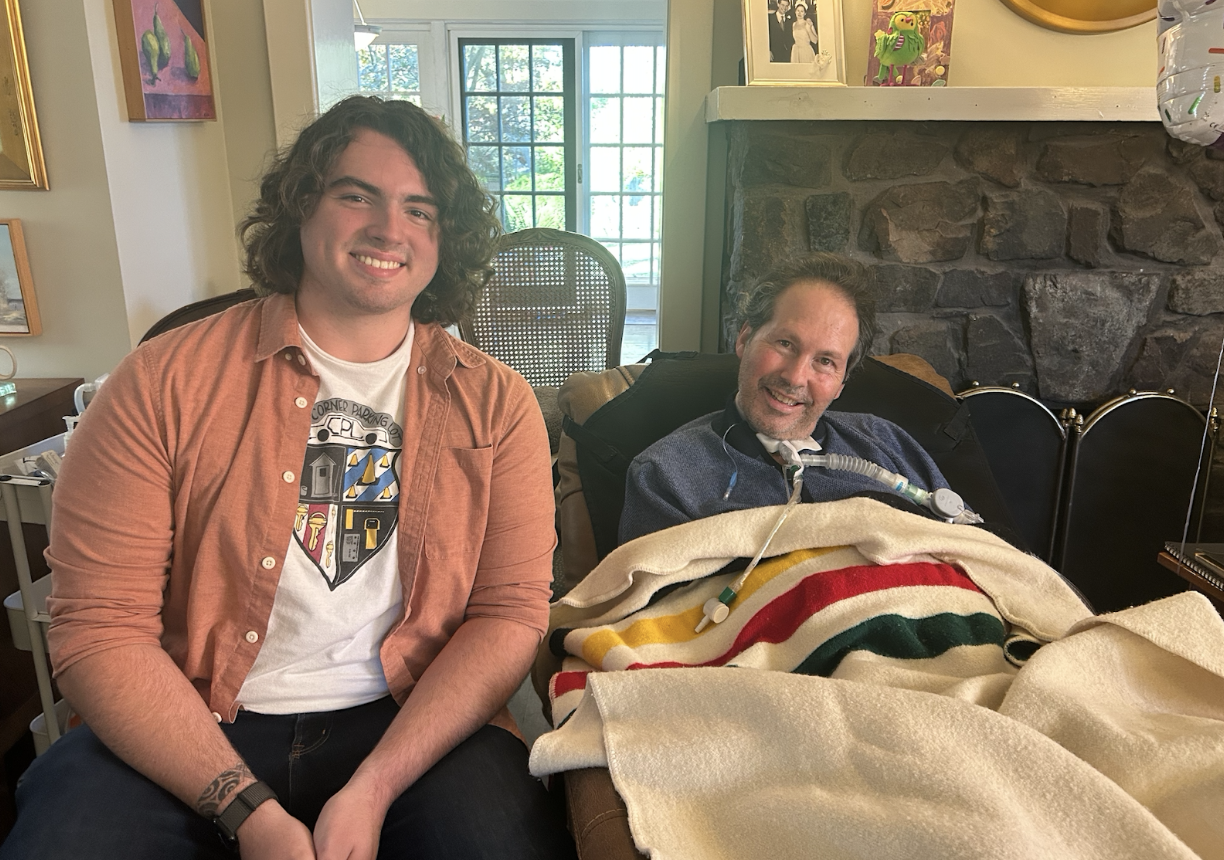
Despite dealing with ALS, Farina is still working to produce another movie while managing local businesses like the Corner Parking Lot, showing that truly anything is possible with enough determination. Farina continues to live in Charlottesville, working to tell the stories of those he has dubbed “unsung heroes.”