

Discover PVCC’s Embedded Tutoring Program
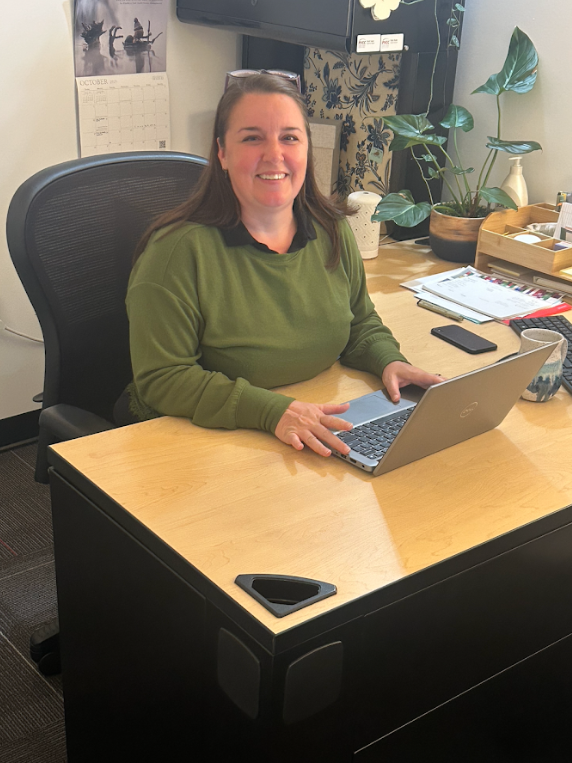
At PVCC, a new initiative has begun to transform classroom environments through striving to fulfill a singular goal: to help. The Embedded Tutoring Program, led by coordinator Ruth Yoder, pairs trained tutors directly with academic courses, offering help for students in specific areas. While the program itself is still new at PVCC, students and faculty are already beginning to notice its impact on the class environment.
The Embedded Tutoring Program is an expansion of earlier initiatives found in the Writing and Tutoring Centers on campus and builds upon the groundwork laid by the UVA Early Intervention Project. The initiative began in the fall semester of 2024 when the Tutoring Center embedded four student tutors in five MTH 154 sections, two MTH 161 sections, thirteen ENG 111 sections, and one EDE 10 section. Only a year after its testing period, it now includes eight sections of MTH 154, six sections of MTH 161, twenty-six sections of ENG 111, and one section of EDE 10, doubling the previous year in terms of accessibility.
When asked what makes a good tutor, Yoder said, “We want students who have content knowledge and skills in the area they’ll be tutoring in, but it’s also really important that they enjoy working with other people because that’s what a tutor does, right? Because they’re working with other people, so that’s really important that they’re friendly and able to sort of present this warm, inviting presence to the students.”
Tutors are selected from both PVCC’s student body and from outside applicants, including PVCC graduates who have since transferred to UVA but continue to work with the program. All tutors are paid hourly and gain what many describe as their first “real job” experience.
The program targets key first-year courses that often determine whether students persist or withdraw from college. “These are momentum courses,” Yoder explained. “If students do well in these, they’re set up for success later on.”
Faculty members are praising the impact of having a peer tutor in the classroom, with its effect on easing students’ anxieties and in making help more accessible. “Tutors tend to be less intimidating than professors,” Yoder said. “We’ve seen students who were shy at first become more willing to ask for help…the most successful people are those who know when they need help and ask for it.”
Data has been collected by the program through student and faculty surveys, and it also looks at the success rate of students to determine if the program has had any real impact. Early data has been encouraging, particularly in English courses, where sections with tutors have seen higher pass rates.
While the program is still in its early stages, interest in its application has already begun to accelerate. Requests from other departments for tutors in their classes are bountiful, but the team plans to take a measured approach as they gather more data. “It takes a lot of tutors to staff this many classes,” Yoder said. “We want to catch our breath and look at what the data says first.”
Those whose classes don’t have an embedded tutor can still visit PVCC’s Tutoring Center or Writing Center, open Monday through Thursday from 9 a.m. to 7 p.m. and Fridays until 2 p.m.