


Ser Duncan the Tall: Awkward Underdog or Perfect Protagonist?
A Knight of Seven Kingdoms, the new adaptation of George R. R. Martin’s series The Tales of Dunk and Egg, is not attempting to outdo Game of Thrones or House of the Dragon. Instead of the bloody, convoluted weaving of many different stories that both shows are known for, A Knight of Seven Kingdoms focuses on just one story, which could be seen as underwhelming or uplifting amid the chaos we are used to. Like many side stories outside a central plot, this retelling adds a lighthearted note to the goings-on in Westeros and could prove to be exactly what the franchise needs.
HBO has only released the first three episodes so far. The opening scene features the protagonist, Dunk (Peter Claffey), burying Ser Arlan of Pennytree (Danny Webb), Dunk’s old father figure and friend. The scene quickly cuts to Dunk soiling a tree, the kind of vulgar humor we have come to expect in the Game of Thrones franchise, though that’s where the similarities between these works end.
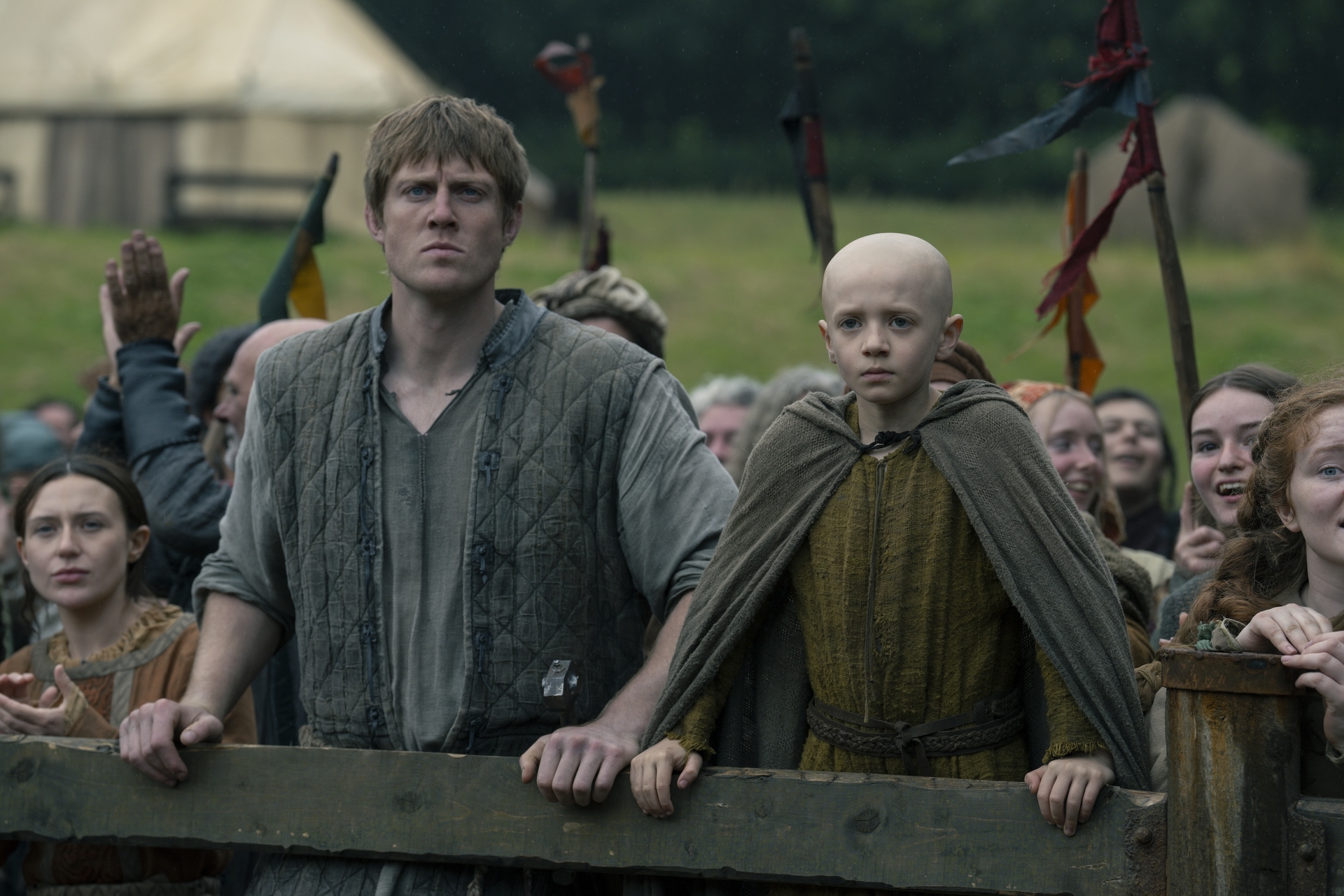
Having watched much of the franchise, I expected an action-packed pilot episode that would be equally disturbing and intriguing, but I was surprised instead by its slow pace and witty dialogue. Dunk is a likable lead, though a little awkward and insecure, who meets his unlikely match in a small boy named Egg (Dexter Sol Ansell) after stopping at a tavern on his travels.
At the beginning of the series, having been left with three horses, a sword, and no money, Dunk seeks a purpose and a way to earn a little gold, which presents itself in the form of a tournament. Dunk, as expected, attempts to seize this opportunity and sets off on his first adventure.
As the first episode unfolded, I expected to see a hint of the large-scale, high-stakes situations that usually appear in the franchise’s other works, but it mainly focused on Dunk trying to fit into the overcrowded tourney camp. His encounter with Lyonel Baratheon spans a good chunk of the episode and consists of the pair dancing, drinking, and not much else. The focus on Dunks’ storyline allows for sillier scenes that may not add to the plot, but are certainly fun to watch. This pilot episode ends with Dunk finding Egg back at his make-shift camp under a tree. Eggs’ precocious manner of speaking and thorough knowledge of the Knights throughout Westeros make for a witty and slightly sarcastic conversation between them. Dunk declares himself Ser Duncan the Tall, and Egg becomes his squire, which wraps up the episode in an easily watched 42 minutes.
Dunk and Eggs’ dynamic is the highlight of the beginning of this series. Dunk is timid and unsure, which is not something we usually see in this world of dragons and bloodthirsty kings. The frequent flashbacks and quick cut-away scenes add to the unserious tone of this low-stakes story. Though the plot is slow to develop, we get our first taste of excitement as the tournament starts at the end of episode two. The drawn-out anticipation surrounding the joust pulls the audience into the story more than the grandiose precursors to this show. Though there has been little character development yet, it is easy to feel connected to the characters because of the familiarity of their daily routines.
This show, though lacking the drama-filled punches that the Game of Thrones episodes usually pack, is unburdened by a plot-heavy narrative. It is lighthearted and enjoyable without the stress and violence we usually see in this fantasy world. Despite the differences, its vulgarity and rash royals remind us of where we are. Though slightly predictable and slow at times, it shows immense potential to be, if not binge-worthy, at least a thoroughly enjoyable watch. This may not be everyone’s fantasy dramedy (or potential rom-com), but I sure am hooked and eager to see if Ser Duncan the Tall makes a worthy underdog.