PVCC Art Exhibit Aims to Spread Accessibility
On Feb. 6, the UVA Center for Health Humanities and Ethics, and the PVCC Visual Arts Department, opened the art exhibition “Community Connections: Creative Pathways to Understanding” in the V. Earl Dickenson Building. The exhibit was made in collaboration with nine other organizations in the Charlottesville area.
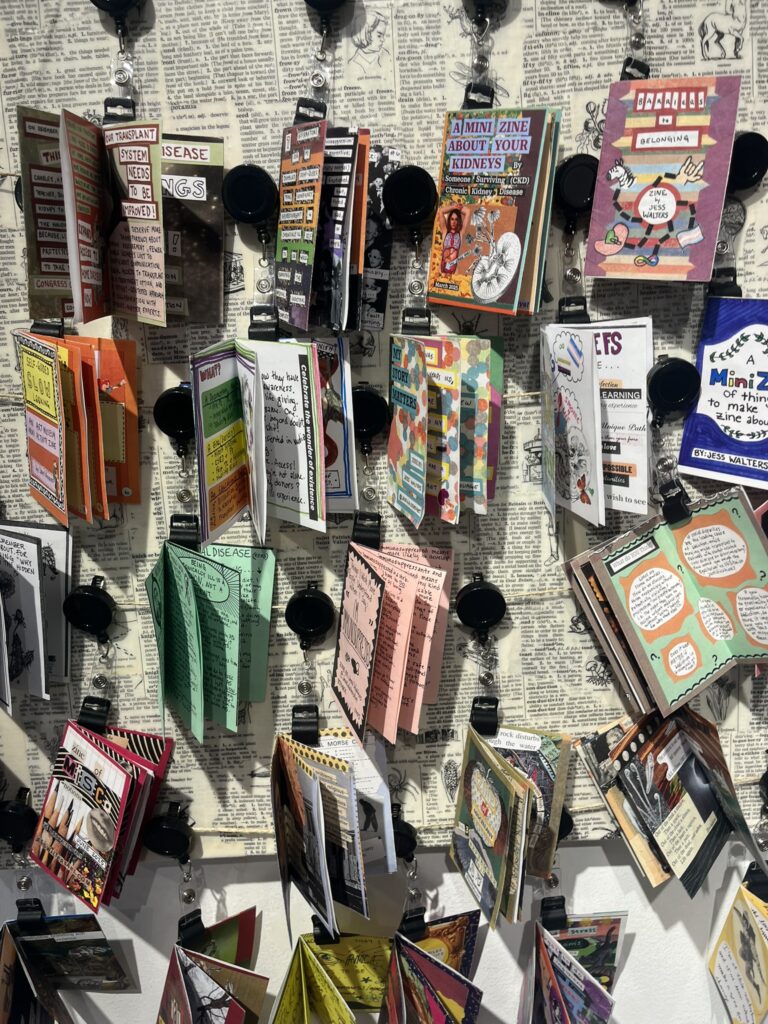
Creative access and human connection were at the soul and center of the exhibit. The event was designed from the ground up with accessibility in mind. One of the event’s chief organizers, Jess Walters, a Health & Humanities fellow at the UVA Center for Health Humanities and Ethics, explained the philosophy behind the exhibit: “I started this thing that I’m calling the Accessible Arts Initiative, which to me means arts and culture spaces should be accessible to everybody. Following the premise that art is human, humans need to engage with art to practice being human with each other. Everybody should have access to it, and a lot of people don’t.”
In keeping with this philosophy, the gallery opening included an ASL interpreter and had Mosaic Interpreting Services, an organization dedicated to providing accessibility through ASL interpreting, as one of its collaborators.
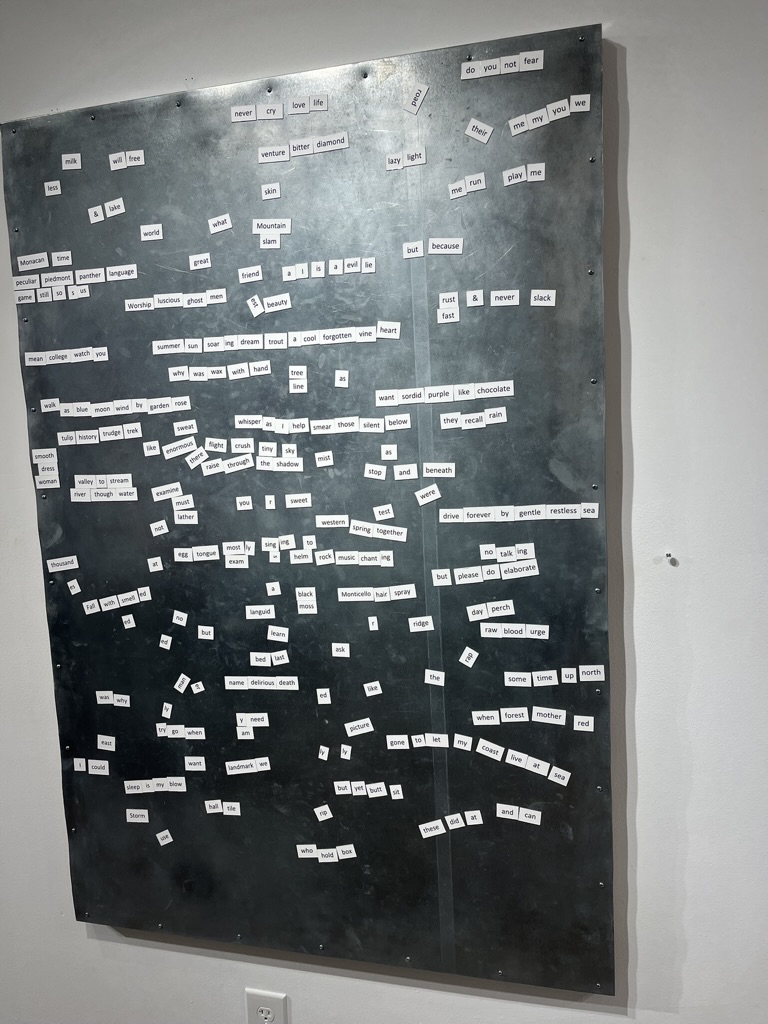
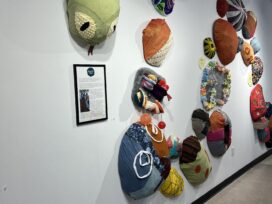
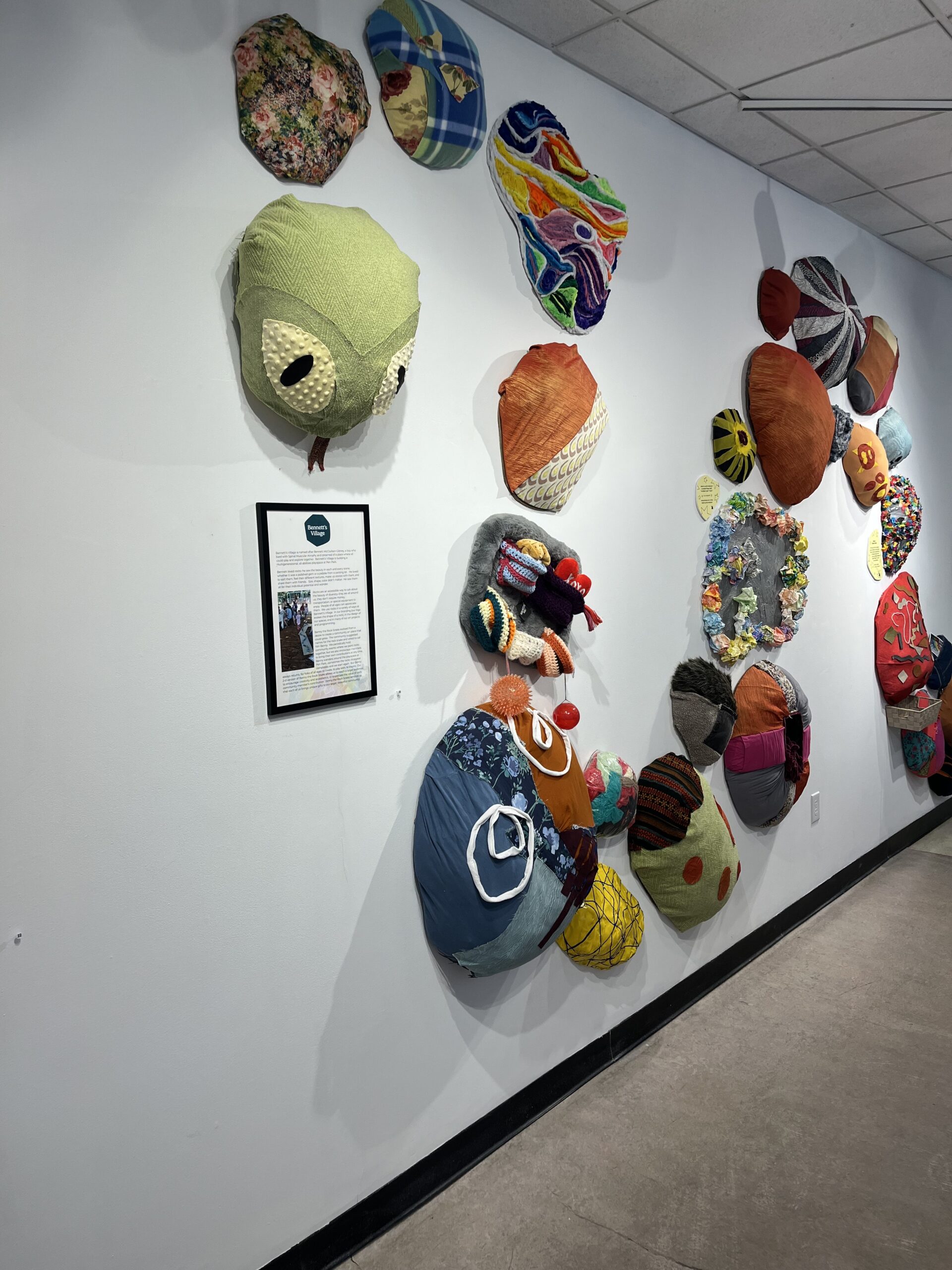
The exhibit was split into eight sections, each with its own 11-by-17 inch placards introducing the participating organizations and the artworks on display. A large portion of the art in the exhibit was interactive. One of the star attractions was a giant rock-inspired piece called “BIG Benny the Snake.” The giant rock snake included large rock shaped segments in which attendees could squeeze squeaky toys, color and pin on crumpled up pieces of paper, or arrange felt in unique patterns. The rock snake concept was provided by Bennett’s Village, another participating organization, inspired by Bennett McClurken-Gibney, a child who suffered from Spinal Muscular Atrophy.
“Rocks are an accessible way to talk about the beauty of diversity-they are all around us,” reads the placard. “They don’t require money, transportation, or special equipment to enjoy.” Bennett’s Village is currently building a completely accessible playspace in Pen Park.
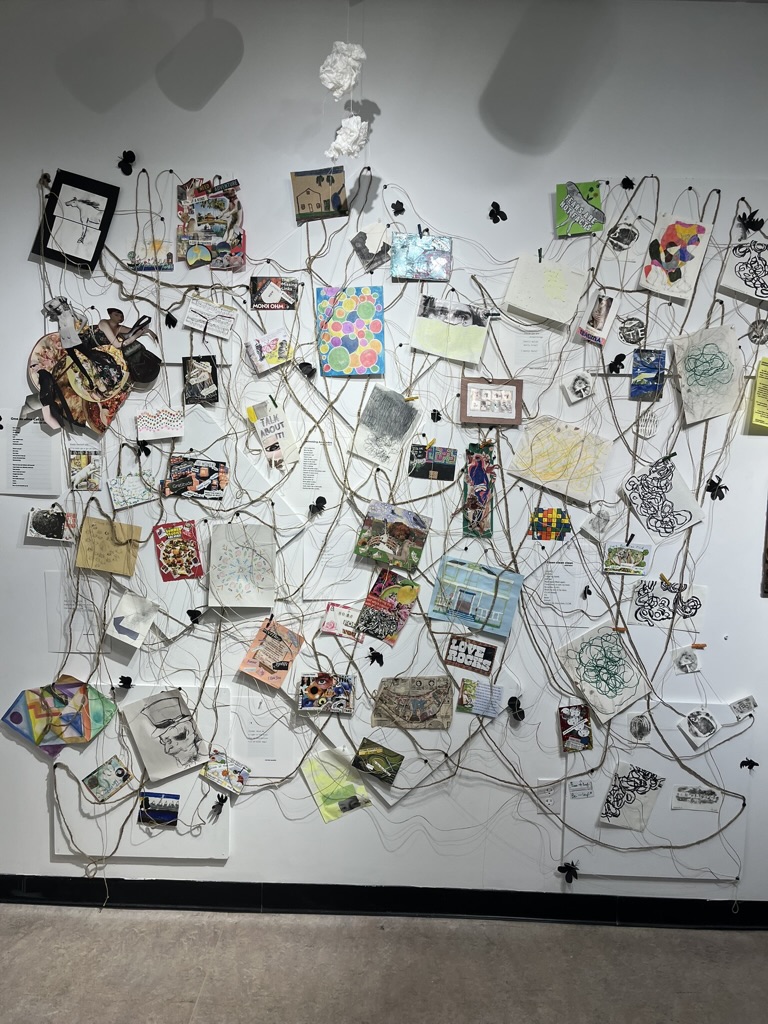
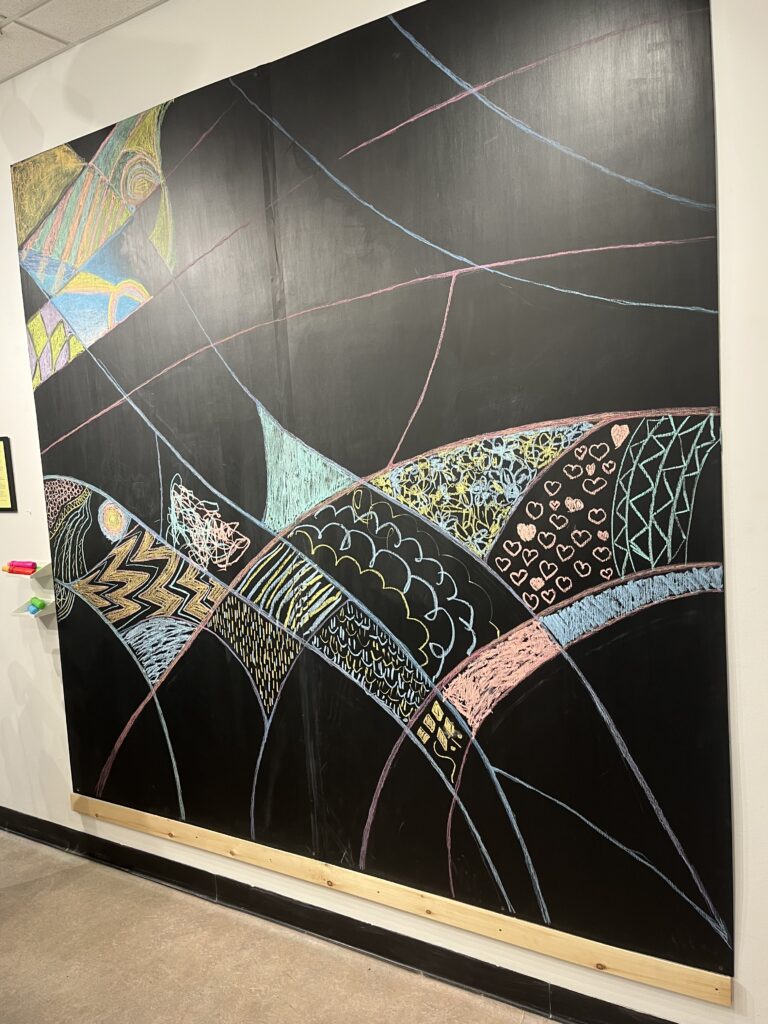
There was also a giant chalk board as part of the UVA Medical Center section. The piece was a demonstration of an exercise in therapeutic art involving interactive chalk murals and crushed paper balls. Much of the exhibit explored the intersections between art and health. A giant collage of artworks included instructions on a drawing method involving a pen and a small pebble. In the exercise, the artist allows the pebble to guide them across the page in random patterns. The collage reflected the soothing ritual.
The event’s organizers were careful to mention to attendees that the exhibit was just one part of a larger accessibility initiative. There are other related events in the works.
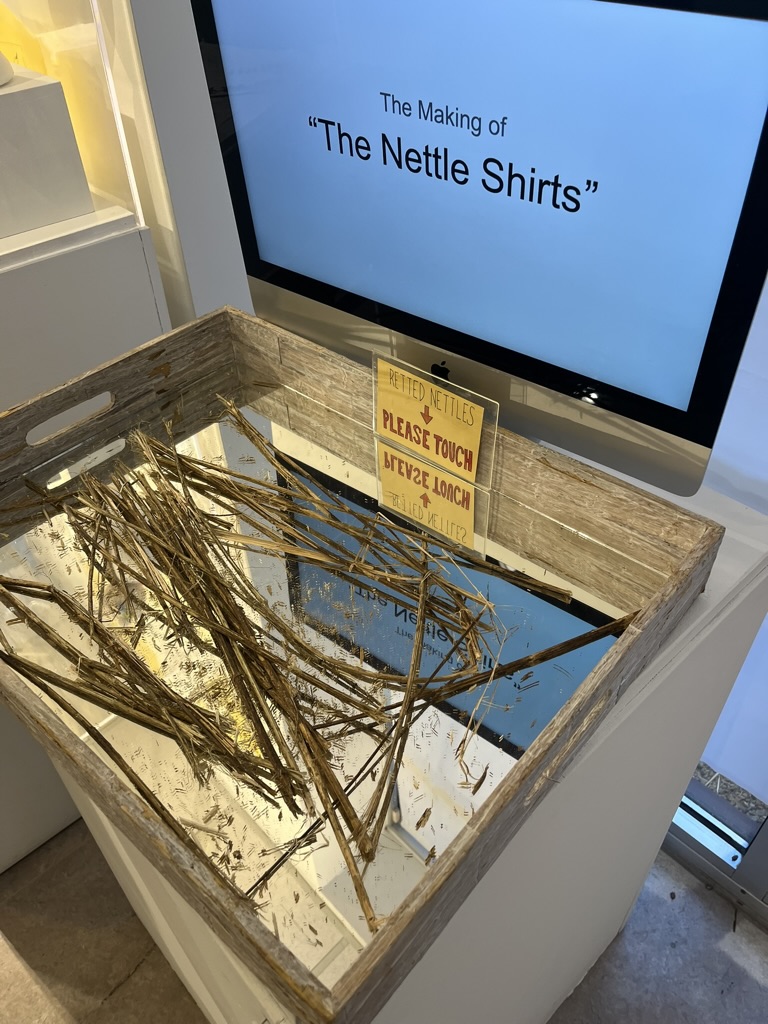
“We’re having a screening of a documentary film later in March and also a performance of the Nettle Shirts Puppet Works, which is one of the other organizations that is featured,” said Walters. The Nettle Shirts section of the exhibit featured instructions on the making of nettle puppets. The organization has put on shows with ASL actors featuring themes of queer acceptance.
“This is step one OK,” said Fenella Belle, one of the event organizers and the chairperson of the visual and performing arts at PVCC. “We’re not there yet, but this is step one.”