


Flashes of Brilliance Shine Through the Confusion in “28 Years Later: The Bone Temple”
The latest movie in the popular 28 Days Later series, 28 Years Later: The Bone Temple, written by Alex Garland and directed by Nia DaCosta, is an excellent movie diminished by financial pressures and the trappings of its genre. The tone constantly shifts between explosive violence and quiet reflections on death, faith and the mind, causing the film to feel like two different zombie movies mashed together.
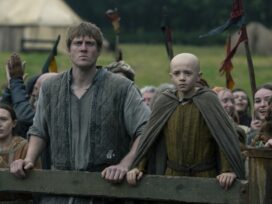
It begins with the menacing and charismatic Lord Jimmy Crystal, who is played by Jack O’Connell, and his satanist cult that accosted the film’s protagonist Spike, played by Alfie Williams, at the end of the previous film. Spike is forced to undergo a brutal hazing ritual where he must fight and kill another member of the cult. Jimmy Crystal and his mangled and childish version of Christian theology is one of the more thought-provoking elements in the film. Crystal forces all his cult members to adopt the name Jimmy. The worship of Satan, or “Old Nick” as the Jimmies call him, interspersed with references to the old Teletubbies show, lend the beliefs of the cult a juvenile quality which contrasts with the brutality of their actions and the explosive temper of Jimmy Crystal.
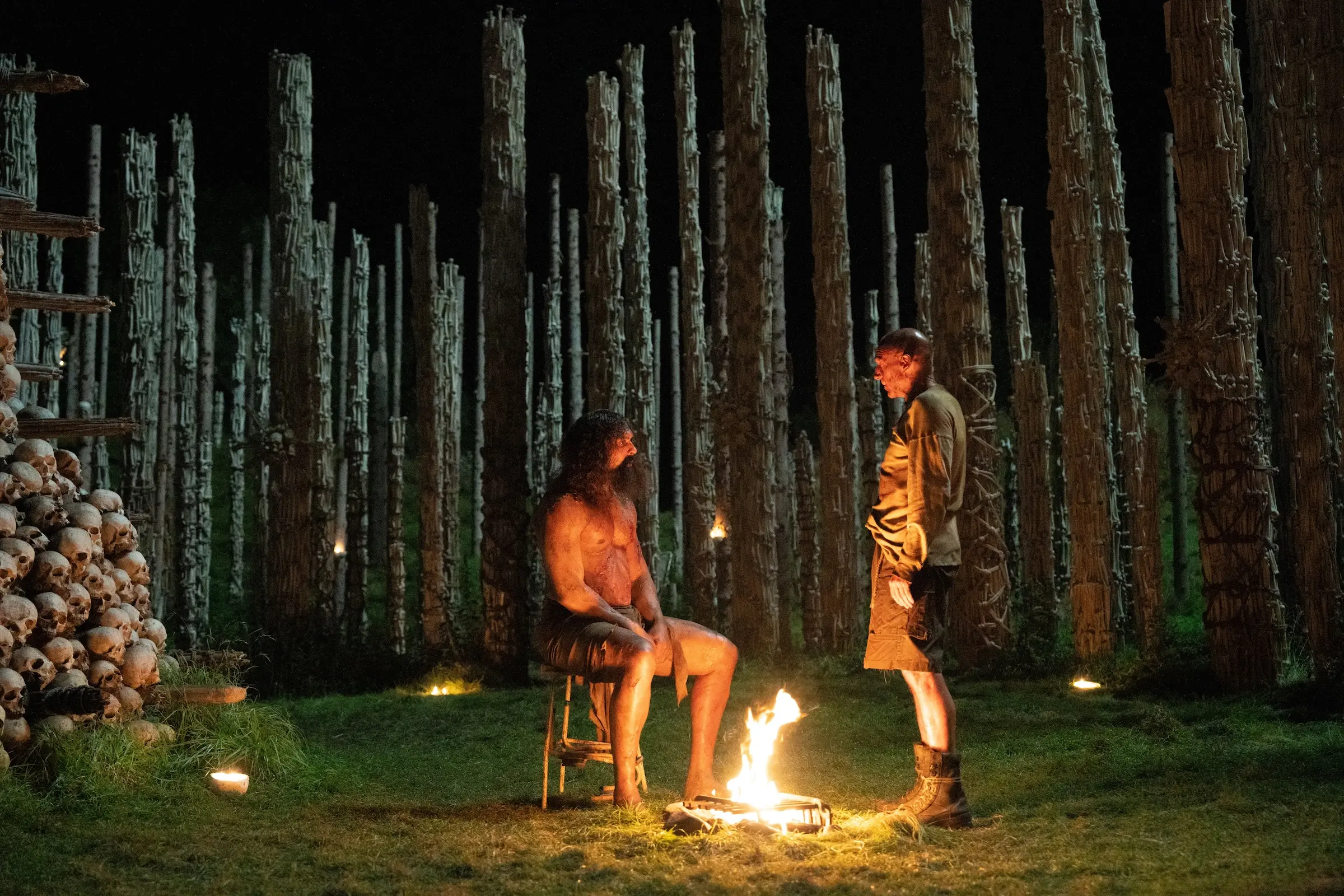
The cult’s campaign of terror runs alongside a storyline involving Dr. Kelson, who is played by Ralph Fiennes, another character introduced in the previous film. The doctor strikes up a relationship with the resident alpha zombie, Samson, played by Chi Lewis-Parry, who the doctor keeps sedated with morphine. The film’s unique take on the nature of the zombie virus is something I’ve never seen before in a zombie story and displays a level of ambition and creativity usually lacking in Hollywood movies. The film cuts between zombie fights, the cult, and quiet moments between Dr. Kelson and Samson. Towards the end of the film, these elements come together to deliver a satisfying and interesting conclusion.
The rest of the article contains spoilers for the film’s ending. The conclusion is robbed of its finality by the film’s need to market its sequel. Two new characters are introduced at the very end of the film alongside a jarring tone shift that detracts from the finale. The dramatic and fiery conclusion’s sudden cut over to a scenic farmhouse with clucking chickens and a high school history lesson is emblematic of the film’s fundamental issues. A good movie should have the ability to stand on its own. Yet both the previous installment, 28 Years Later, and now its sequel, 28 Years Later: The Bone Temple, make each other dependent by including elements that don’t make sense in isolation. In 28 Years Later, the cult plays no meaningful role in the story, only appearing briefly at the beginning and end of the movie. 28 Years Later: The Bone Temple is dependent on that setup and employs a similar trick to set up another sequel in its conclusion.
In a similar vein, the film’s own internal elements weaken each other. The extreme violence and fast-paced action endemic to the zombie genre tend to detract from the film’s quieter moments, rarely giving the conversations between Samson and Dr. Kelson or the somber atmosphere of the bone temple itself time to breathe. Likewise, those quieter moments prevent viewers from losing themselves in the gratuitous gore. The film attempts to be every kind of zombie movie at once but ends up diminishing its best qualities in the process.
The movie is currently being shown at the Violet Crown in downtown Charlottesville for those interested in seeing it.